Top 10 Recruiting Trends That Will Shape Hiring in 2026

Recruiting trends in 2026 reflect a fundamental shift: talent teams are moving from reactive processes to precision-driven, intelligence-first hiring systems. Modern tech hiring challenges, AI recruiting adoption, and expectations of seamless interview platform experiences are pushing organizations to rethink every part of the recruitment process. Below are the 10 trends reshaping how companies will hire in 2026, and how teams can adapt.
Quick Snapshot: 10 Recruiting Trends at a Glance
- Precision talent sourcing powered by predictive analytics
- AI recruiting agents & recruiter AI twins
- Interview intelligence as a strategic operating system
- Skills-first hiring supported by structured, multi-format evaluation
- End-to-end recruiting automation & orchestration
- Community-led talent pipeline engineering
- Personalization at scale across the candidate lifecycle
- RPO + subscription hiring models
- Data-governed DEI and bias reduction
- Emerging spaces: immersive assessments & virtual hiring
Why 2026 Is Different
Economic & labor market context
The labor market in 2026 is being shaped by two forces moving in opposite directions: selective hiring slowdowns in certain sectors and a growing shortage of highly specialized skills in others. This imbalance is fundamentally changing how organizations approach hiring.
Several shifts stand out:
- Time-to-fill for engineering and AI-adjacent roles has increased by 18–25% globally, even as overall hiring volumes fluctuate. Scarcity has shifted from resumes to validated, job-ready skills.
- Talent pools are more geographically distributed due to remote-first norms, intensifying competition for the same candidates across regions.
- Skill requirements are evolving faster than traditional recruiting methods can adapt. Static job descriptions and resume-based screening struggle to reflect real-world capability.
As a result, organizations can no longer depend on volume-driven sourcing or manual, legacy workflows. Precision, structure, and scalable intelligence are now essential, particularly in tech hiring, where delays and mis-hires carry an outsized cost.
Technology & AI’s accelerated adoption
By 2026, AI is no longer an experimental layer in hiring. It has become a foundational component of the recruitment process, embedded across sourcing, screening, interviews, workflow orchestration, and planning.
What’s changed most is where AI is being applied.
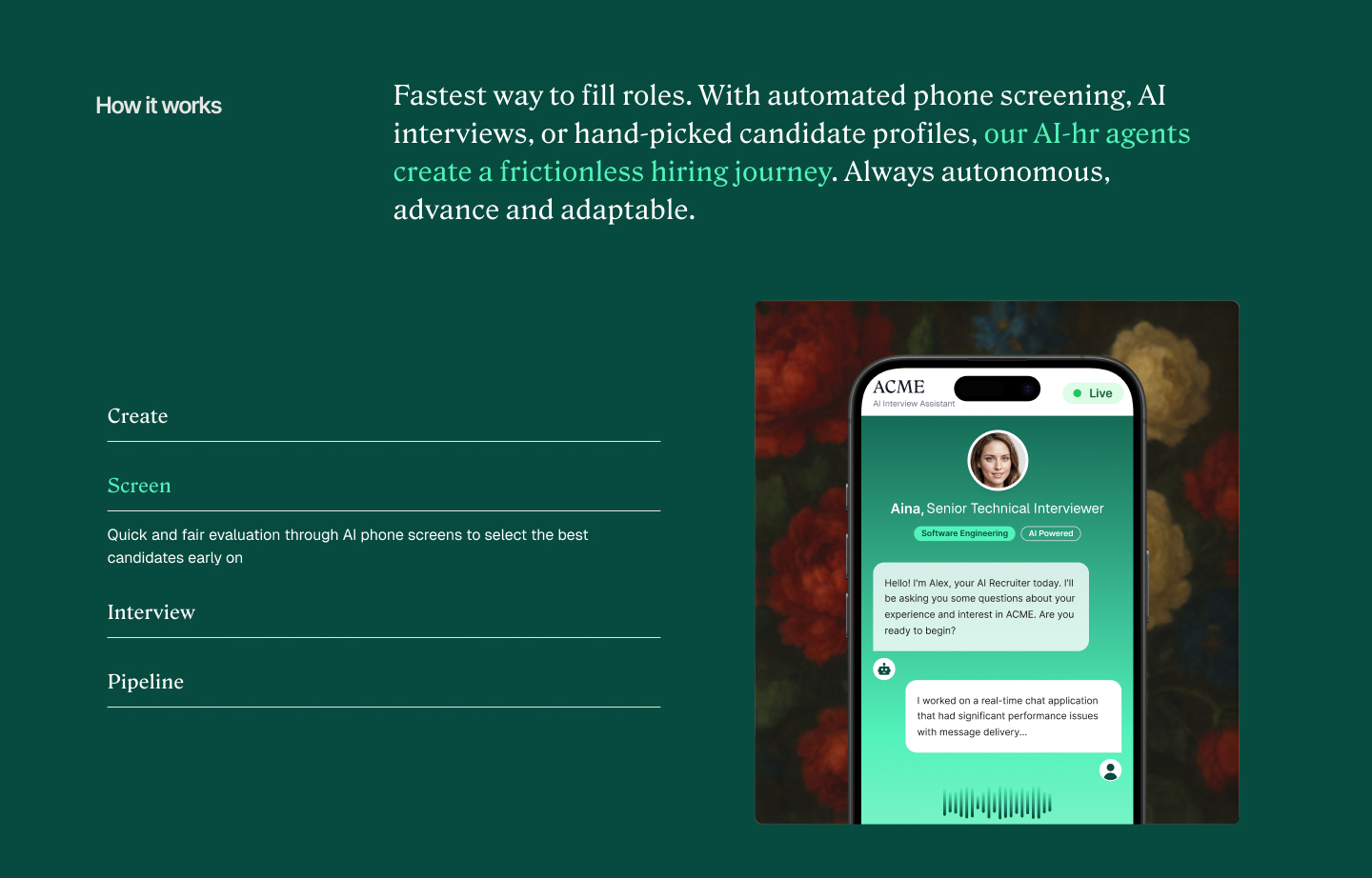
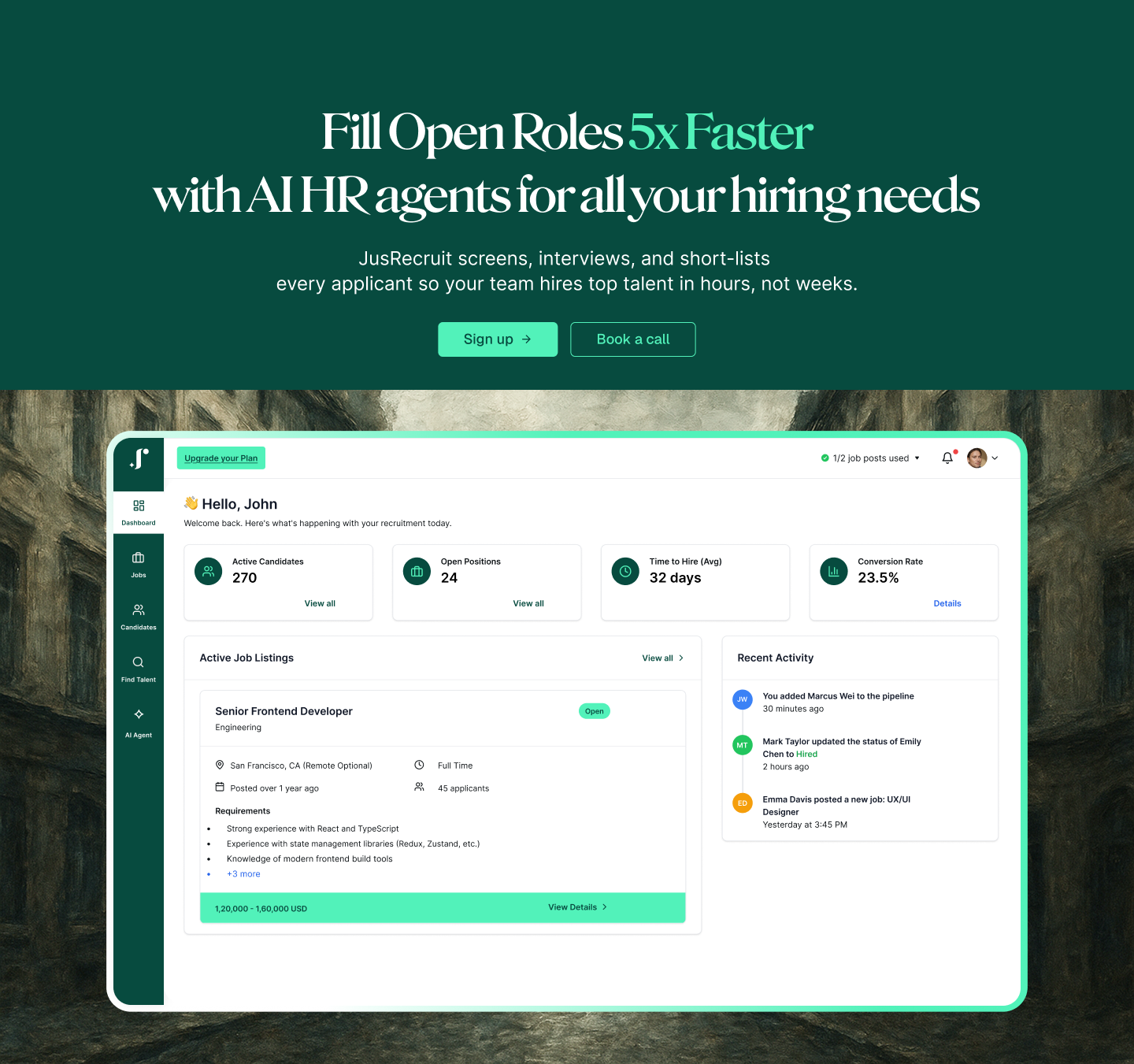
Instead of supporting recruiters only behind the scenes, AI is now increasingly handling high-volume, candidate-facing stages at the very top of the funnel. Platforms like JusRecruit exemplify this shift by using conversational AI to conduct phone screens with every applicant. Rather than recruiters spending hours on repetitive first calls, an AI interviewer handles these conversations, evaluates baseline skills and culture alignment, and delivers a clean, ranked shortlist, freeing recruiters from calendar-heavy screening work.
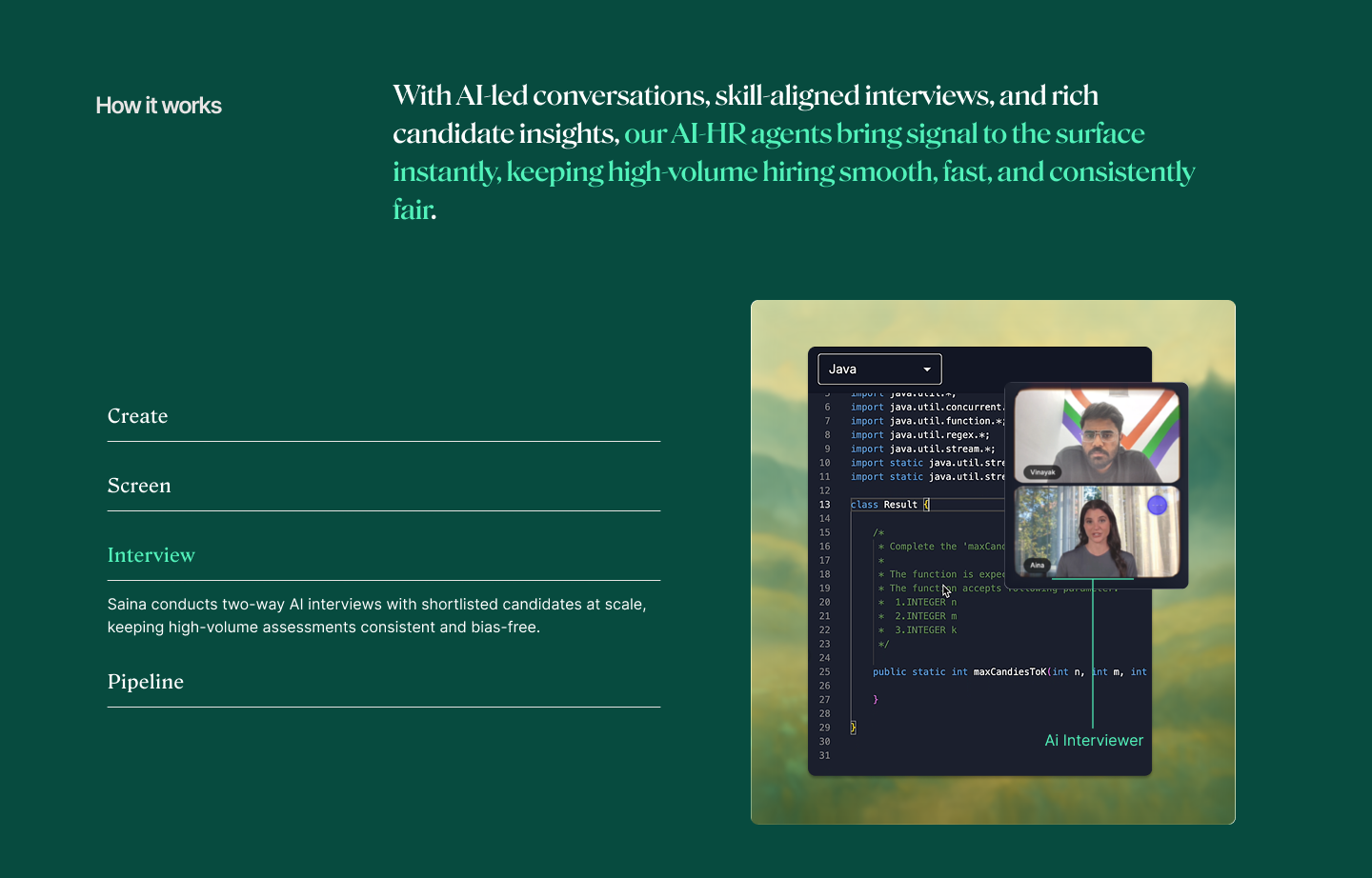
JusRecruit also extends this approach through role-specific AI interviews, where candidates are evaluated in structured, immersive formats before reaching a human interviewer. These AI-led interviews generate consistent, bias-aware scorecards and help ensure that only genuinely qualified candidates move forward, allowing hiring teams to focus their live interview time where it matters most.
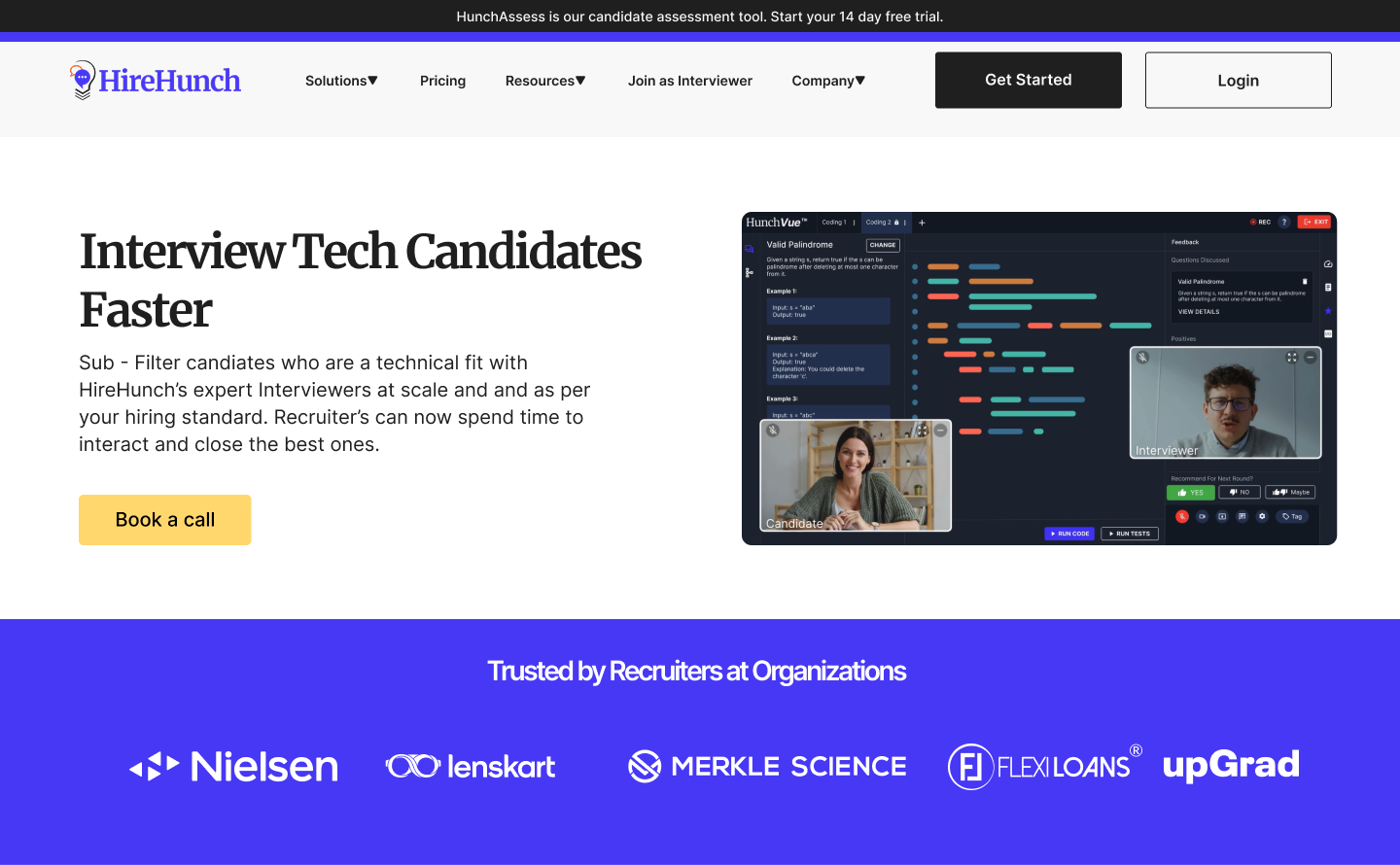
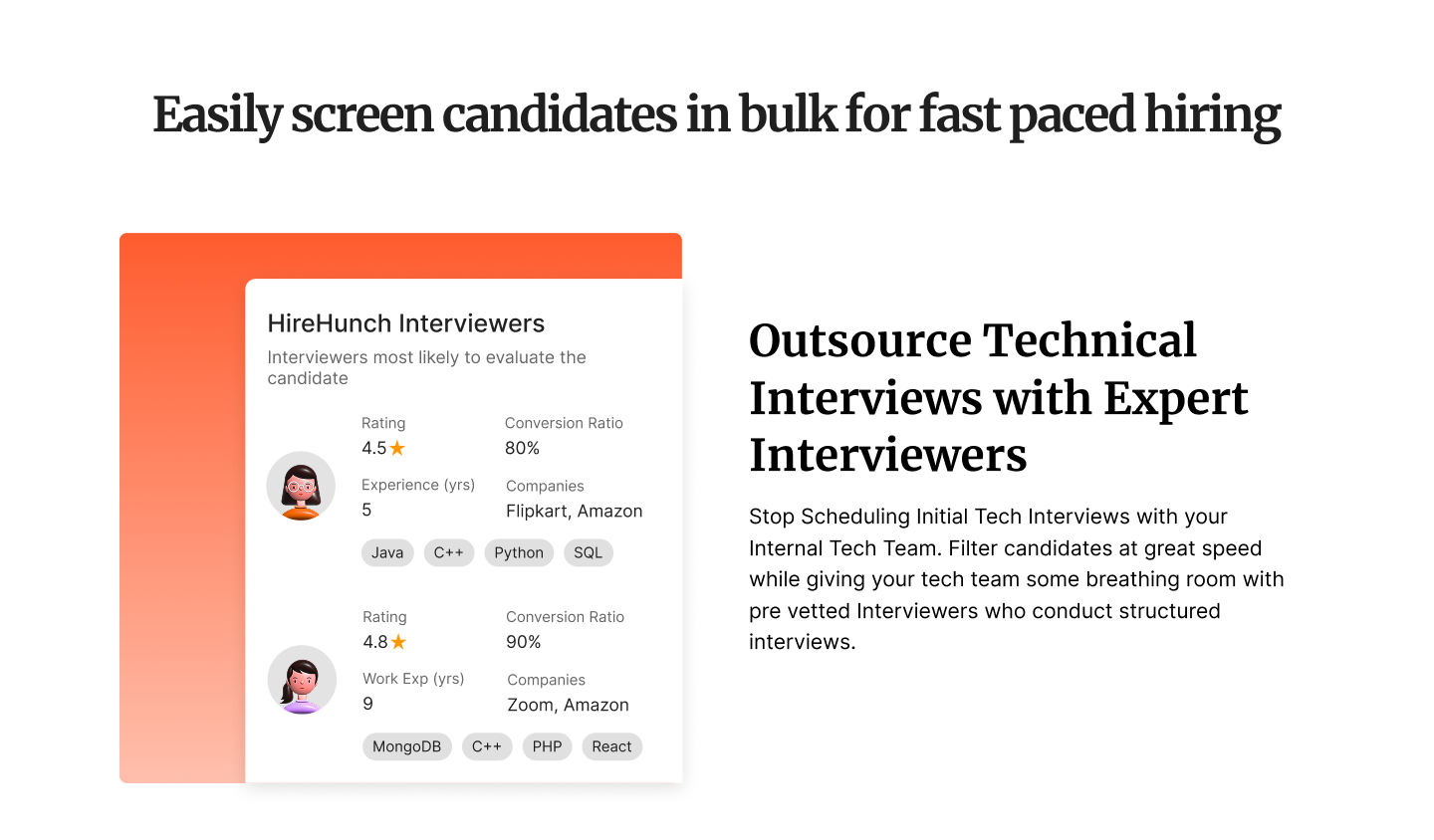
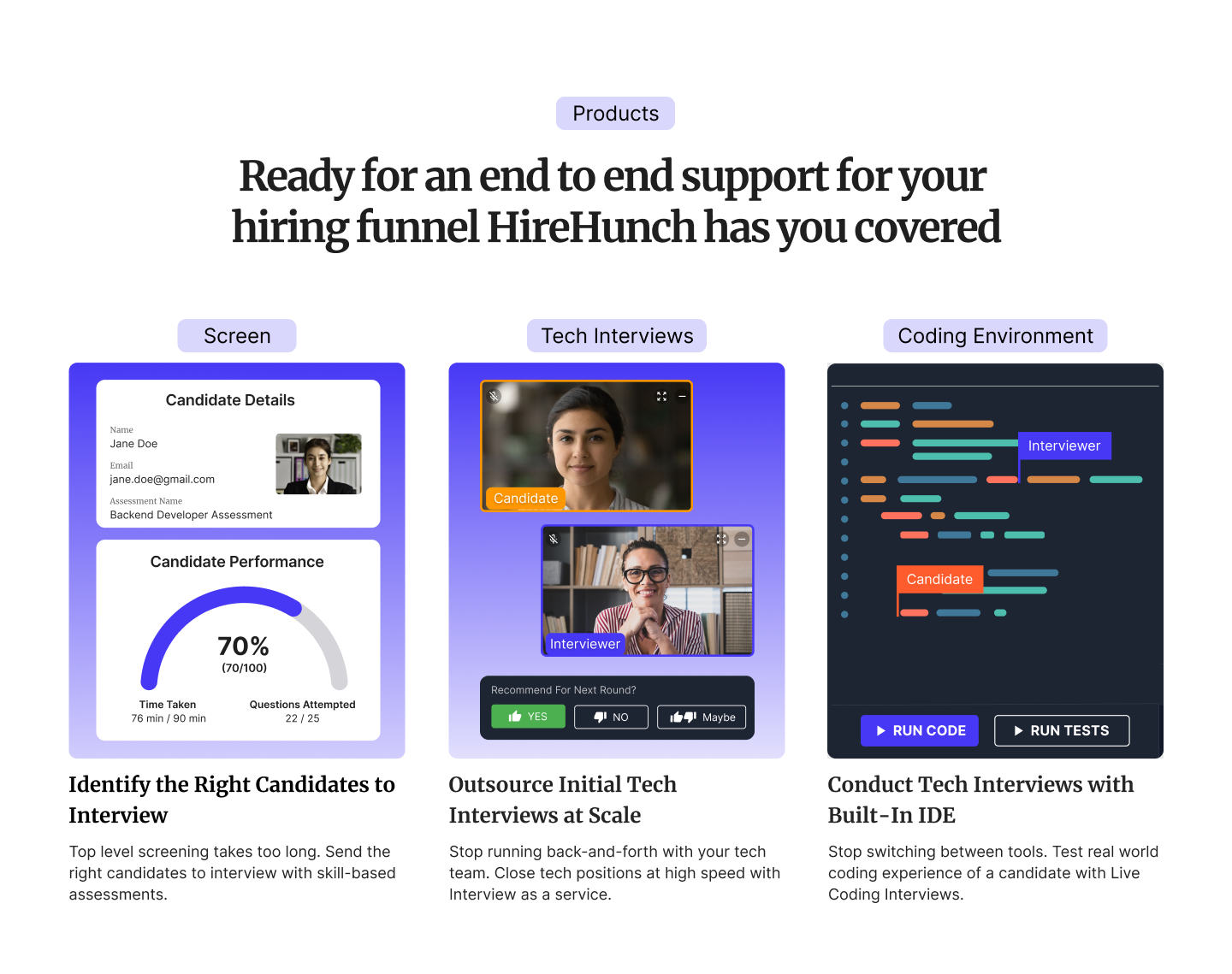
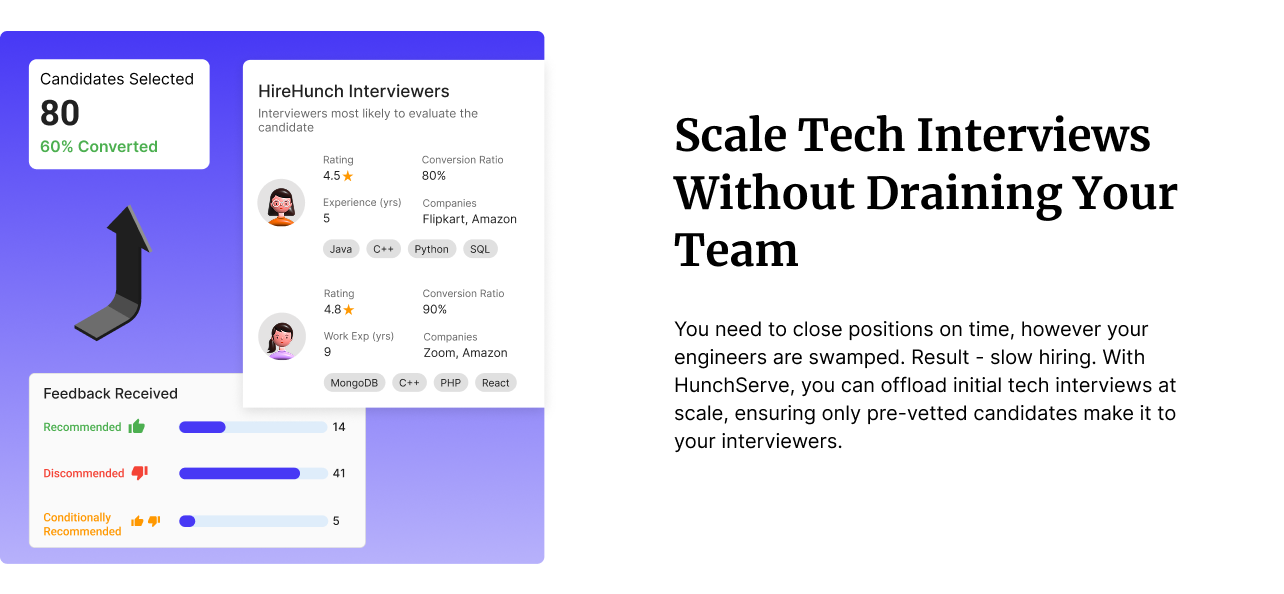
As hiring progresses beyond early screening, human-led interviews remain critical, especially for deeper technical evaluation and nuanced decision-making. This is where HireHunch plays a distinct role. HireHunch focuses on Interview-as-a-Service, providing access to expert interviewers, structured evaluation frameworks, and consistent feedback, particularly valuable when internal teams face bandwidth constraints or interviewer inconsistency.
1. From Volume to Precision: Smarter Targeting & Predictive Sourcing
Why it matters
Sourcing is shifting from mass outreach to probability-based targeting. Instead of sending 500 generic messages, talent teams now use models that predict:
- Candidate intent likelihood
- Skills adjacency and progression
- Cultural alignment
- Pipeline relevance
This dramatically increases pipeline quality and improves recruiter efficiency.
90-Day Rollout Checklist
Weeks 1–4:
- Clean up ATS tagging and remove legacy data
- Build skill clusters for each role to guide targeted sourcing
- Identify channels where your top talent historically originates
Weeks 5–8:
- Implement light predictive scoring
- Deploy personalized outreach frameworks
- Run experiments on messaging types
Weeks 9–12:
- Evaluate sourcing-to-interview ratios
- Document a quarterly sourcing playbook for repeatability
Modern sourcing platforms like HireHunch also provide structured interviewer bandwidth and evaluation consistency, a crucial complement to precision sourcing.
2. AI Recruiting Agents & Recruiter AI Twins
Core capabilities to evaluate
AI recruiting agents, often referred to as recruiter AI twins, are becoming a foundational layer of modern AI recruiting. Platforms like JusRecruit use these AI agents to take on work that historically consumed 40–60% of a recruiter’s time, especially at the top and middle of the funnel.
Common capabilities include:
- Candidate skill-gap identification based on resumes, responses, and prior signals
- Automated outreach and nurturing, adapted to role and seniority
- Interview preparation briefs that summarize candidate context before evaluations
- Drafted evaluation summaries after early-stage interactions
- CRM and ATS hygiene, including status updates and tagging
- Talent pool segmentation for future hiring needs
By offloading these repeatable and time-intensive tasks to AI agents, platforms like JusRecruit allow recruiters to redirect their energy toward relationship-building, stakeholder alignment, and closing strong candidates, areas where human judgment still matters most.
Implementation checklist + ethics guardrails
Capabilities checklist
- Context-aware sourcing and screening recommendations
- Intelligent email and content generation
- Automated follow-ups and reminders
- Interviewer and recruiter guidance summaries
- Candidate insight extraction across touchpoints
Ethics & governance checklist
- Clear labeling of AI-generated output for internal teams
- Human review for high-impact or sensitive decisions
- Privacy-conscious data handling and retention policies
- Regular bias analysis and model performance reviews
These guardrails are essential to ensure AI recruiting systems enhance fairness and efficiency without introducing opaque or unaccountable decision-making.
While JusRecruit powers AI-driven screening, outreach, and early evaluation, human-led interviewing remains critical once candidates advance to deeper assessment. This is where platforms like HireHunch play a complementary role, providing expert interviewers, structured interview frameworks, and consistent evaluation when hiring teams need depth, calibration, and additional interviewer bandwidth.
3. Interview Intelligence Becomes a Strategic Lever
Why it matters
Interview intelligence is transforming from a “nice-to-have” into a foundational operating layer of modern interview platforms.
High-performing teams now track:
- Interviewer calibration
- Question signal strength
- Candidate drop-off by stage
- Speaking-time ratios
- Behavioral bias indicators
How to run interview-quality audits
A quarterly audit should include:
- Reviewing interview recordings for structure alignment
- Comparing interviewer scoring trends
- Identifying leading and lagging indicators of question quality
- Training interviewers with inconsistent scoring patterns
- Updating question banks
4. Skills-First Hiring: Moving Beyond Resumes
Redesign job descriptions using skill clusters
2026 marks the decline of résumé-based filtering. High-growth teams now anchor hiring decisions around:
- Competency clusters
- Proficiency benchmarks
- Scenario-based expectations
- Skills adjacency
This shift reduces bias and significantly improves recruiting strategies.
Candidate assessment flow
The modern evaluation journey increasingly looks like this:
- Lightweight screening task (MCQ or scenario-based)
- Role-specific exercise (coding, design, product thinking)
- Live technical evaluation
- Behavioral interview
- Composite scoring model → decision
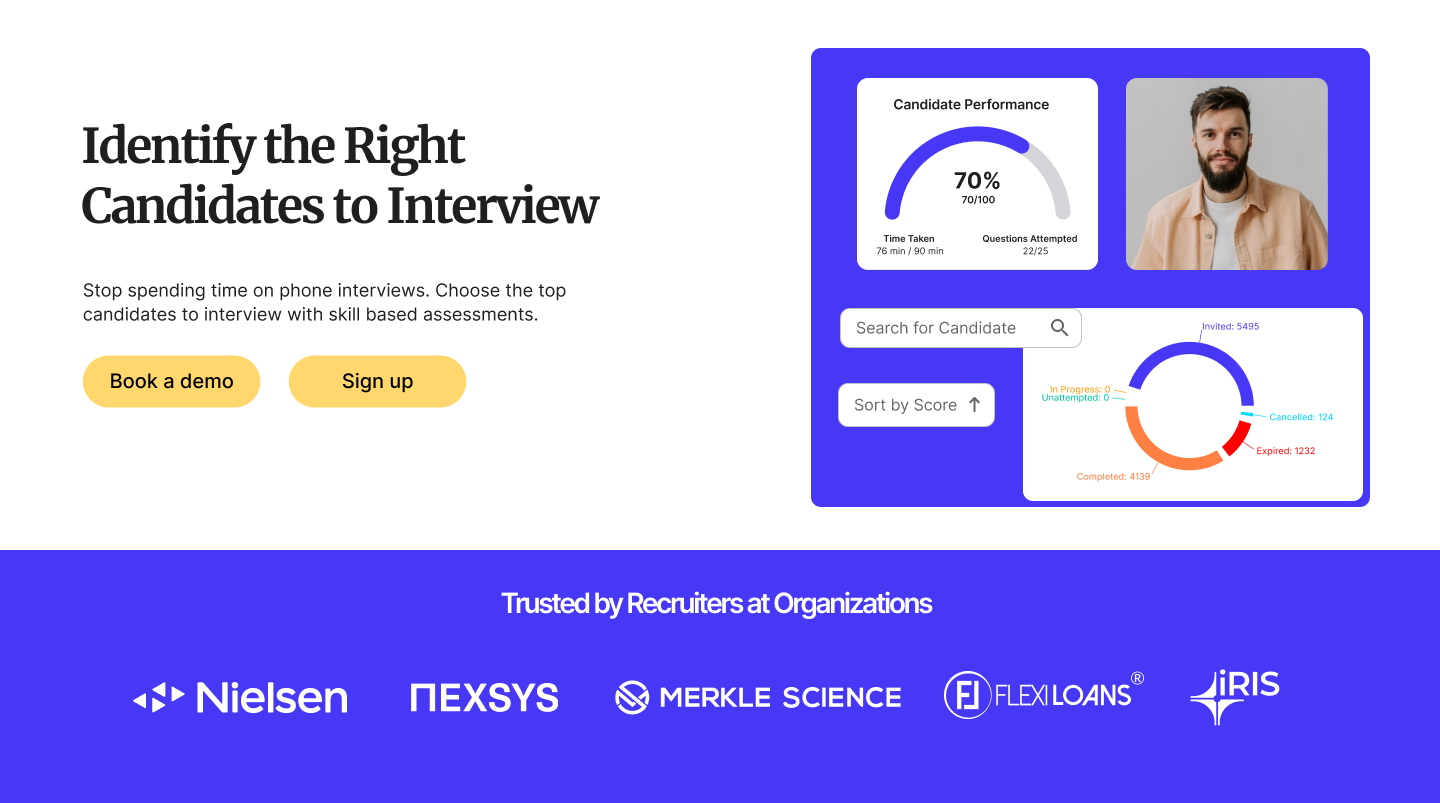
As companies adopt skills-first hiring, structured assessments and multi-format evaluation workflows are becoming a core part of HireHunch’s recruiting stack.
Metrics to measure success
- Quality-of-hire
- 90-day ramp time
- Task-to-offer correlation
- Assessment completion rates
5. End-to-End Recruiting Automation & Orchestration
Integrations you need
Recruiting automation only works when the entire hiring flow is connected. In 2026, speed comes from orchestration—not from adding more tools.
At a minimum, teams need integrations across:
-
ATS ↔ scheduling
-
Interview workflows ↔ transcripts and notes
-
Assessments ↔ scorecards
-
Offers ↔ HRIS
-
Calendars ↔ interviewer availability
Platforms like JusRecruit sit at the orchestration layer, bringing ATS workflows, AI Phone Screens, AI Interviews, assessments, scheduling, and downstream interviews into one visual pipeline. Recruiters can move candidates across stages, trigger evaluations, and schedule interviews without leaving the system—keeping the recruitment process structured and transparent from application to offer.
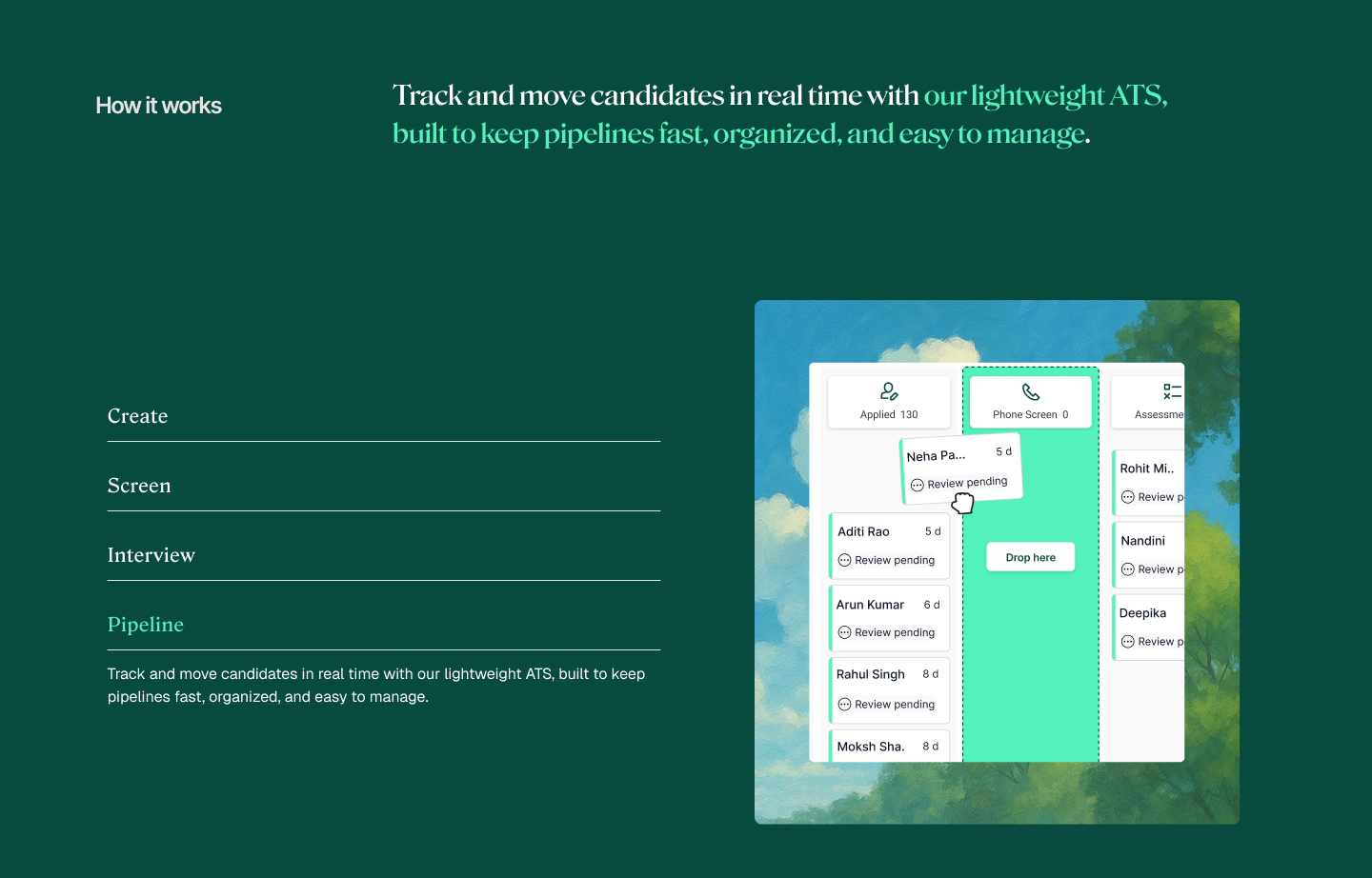
This kind of end-to-end orchestration reduces coordination overhead, improves data flow between stages, and allows hiring teams to scale without losing control.
Common pitfalls & solutions
| Pitfall | How to Fix |
| Over-automation | Keep humans in decision loops |
| Fragmented tools | Move toward unified workflows |
| Data quality issues | Clean ATS quarterly |
| Automation without mapping | Build a workflow blueprint |
6. Community & Talent-Pool Engineering
How to build engaged talent communities
The best recruiting methods in 2026 don’t start with sourcing, they start with nurturing.
Effective community-building levers:
- Quarterly micro-events (AMAs, showcase sessions)
- Technical challenges or coding sprints
- Curated newsletters
- Insider job previews
- Re-engagement of silver medalists
7. Candidate Experience Personalization at Scale
Personalization levers
Recruiters now personalize across three axes:
- Role relevance
- Candidate seniority
- Skills alignment
Practical levers include:
- Customized outreach
- Tailored skill assessments
- Dynamic interview guides
- Real-time status updates
8. RPO & Subscription Hiring Models
When to consider RPO vs in-house vs TaaS
| Model | Best For | Pros | Cons |
| RPO | Large orgs | Predictability | Rigid contracts |
| In-house | Specialized teams | Culture fit | Limited bandwidth |
| TaaS / Interview-as-a-Service | Tech-heavy hiring | Flexibility | Requires vendor evaluation |
Many teams now rely on flexible networks of specialized technical interviewers offered by platforms such as HireHunch, especially when internal bandwidth becomes a constraint or consistency becomes a priority.
9. Diversity & Bias Reduction Through Data Governance
Responsible-AI checklist
- Blind screening
- Structured scoring templates
- Bias monitoring across interviews
- Regular calibration sessions
- Competency-aligned questions
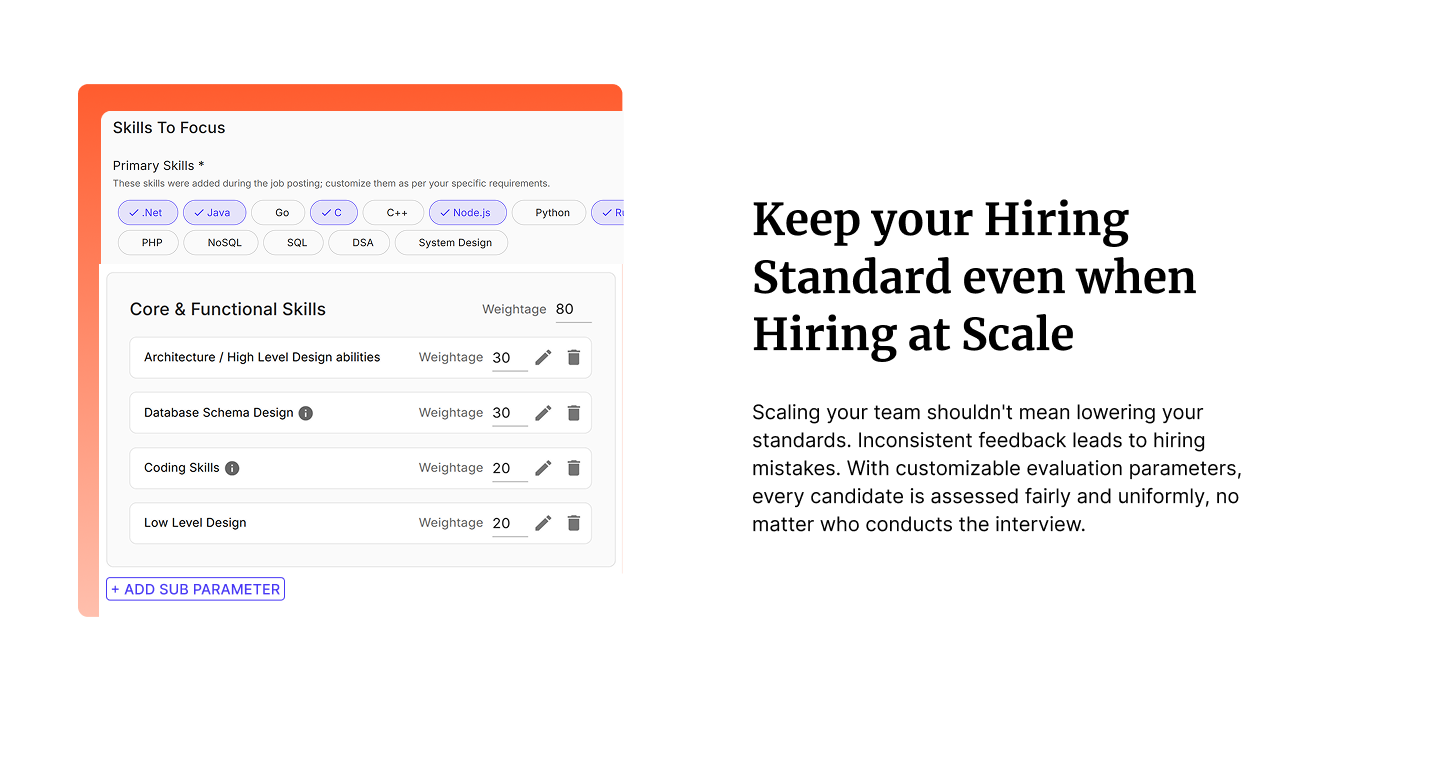
More teams are adopting normalized scoring systems, and platforms like HireHunch increasingly incorporate composite evaluation models to reduce subjectivity and bias.
10. Emerging Spaces: Virtual Hiring, Immersive Evaluation & Spatial Computing
Use cases & ROI expectations
Immersive assessments are expanding fast:
- Virtual assessment centers
- Interactive problem-solving simulations
- Soft-skill branching scenarios
- Technical architecture challenges
These experiences help organizations evaluate deeper competencies with higher signal strength.
90-Day Playbook to Adopt the Top 3 Trends
Weeks 1–4 — Quick Wins
- Clean ATS
- Map interview workflows
- Pilot structured assessments
- Run interview calibration audit
Month 2 — Scale & Integrate
- Automate scheduling + feedback
- Add interviewer guidelines
- Introduce predictive sourcing
Month 3 — Measure & Optimize
- Review funnel conversion data
- Compare interviewer calibration
- Track task-to-offer validity
FAQs
- What are the top recruiting trends of 2026?
AI twins, interview intelligence, skills-first hiring, automation, and immersive assessments. - Will AI replace recruiters?
No, AI handles repetitive tasks while humans manage judgment and relationships. - What is an interview platform in 2026?
A unified workspace integrating video, coding, evaluation, and intelligence. - What does a modern hiring platform need?
Automation, structured evaluation, interviewer calibration, and predictive insights. - When should I use Interview-as-a-Service?
When internal interviewer bandwidth or calibration is inconsistent. - What are the best recruiting strategies for 2026?
Precision sourcing, skills-first assessment, and interview intelligence adoption. - How can I improve my recruitment process quickly?
Start with data cleanup, structure interviews, and automate feedback.
Hiring in 2026 won’t be about speed or scale alone. It will be about precision, structure, and signal quality.
Teams that win will replace volume with intent, intuition with consistency, and fragmented workflows with intelligent systems—where AI drives efficiency and humans apply judgment at the moments that matter most.
The edge won’t come from doing more hiring.
It will come from making every hiring decision count.